Photo Booth or Photo Studio: Honey, They Are Not the Same Thing. Here’s the Tea from LA Photo Party
The words get used interchangeably, and they should not be. A photo booth and a photo studio are two different


The words get used interchangeably, and they should not be. A photo booth and a photo studio are two different experiences that produce two different kinds of output for two different kinds of events. Booking one when the event needed the other is a mistake that shows up in the results.
LA Photo Party builds both, which means there is no bias here toward selling one over the other. The honest breakdown is that each is right for specific situations, and knowing which is which is what gets an event the output it actually needs. Here is the real difference.
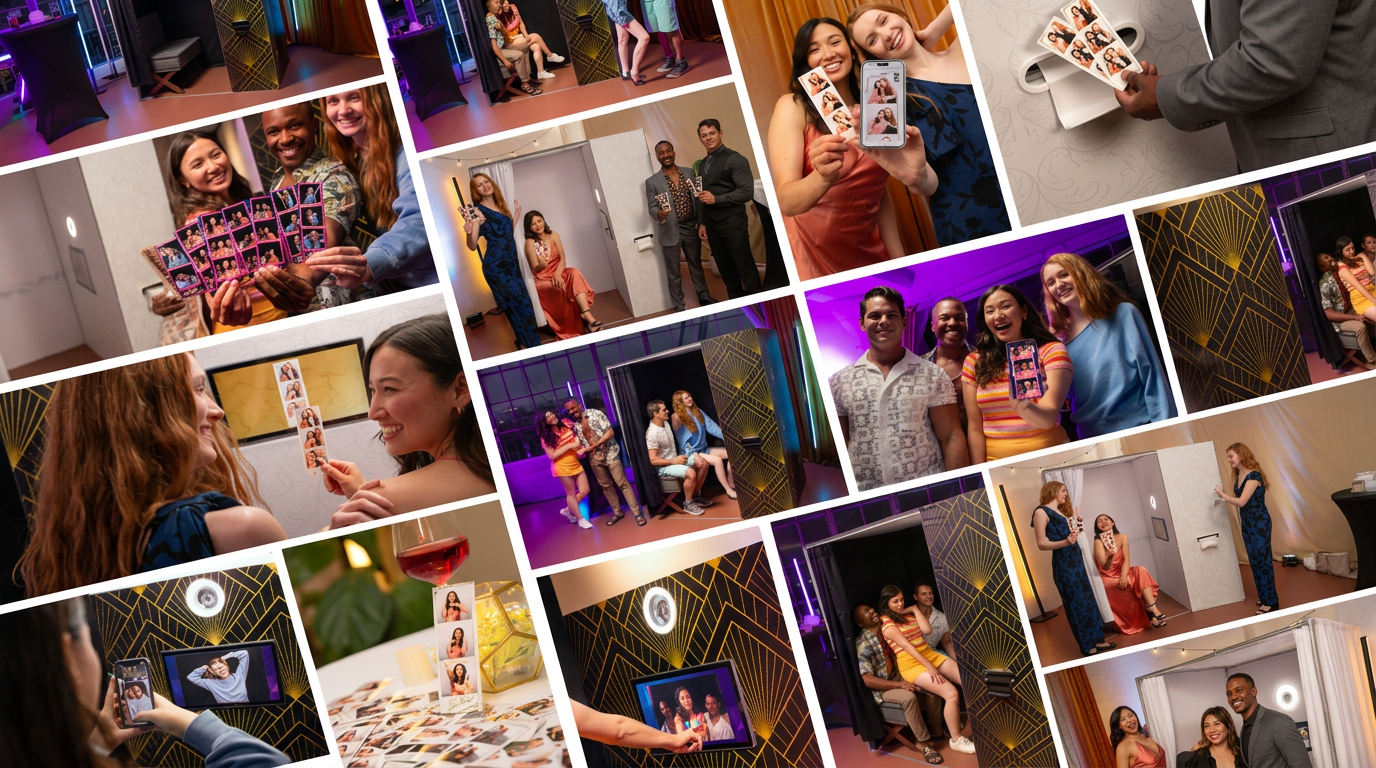
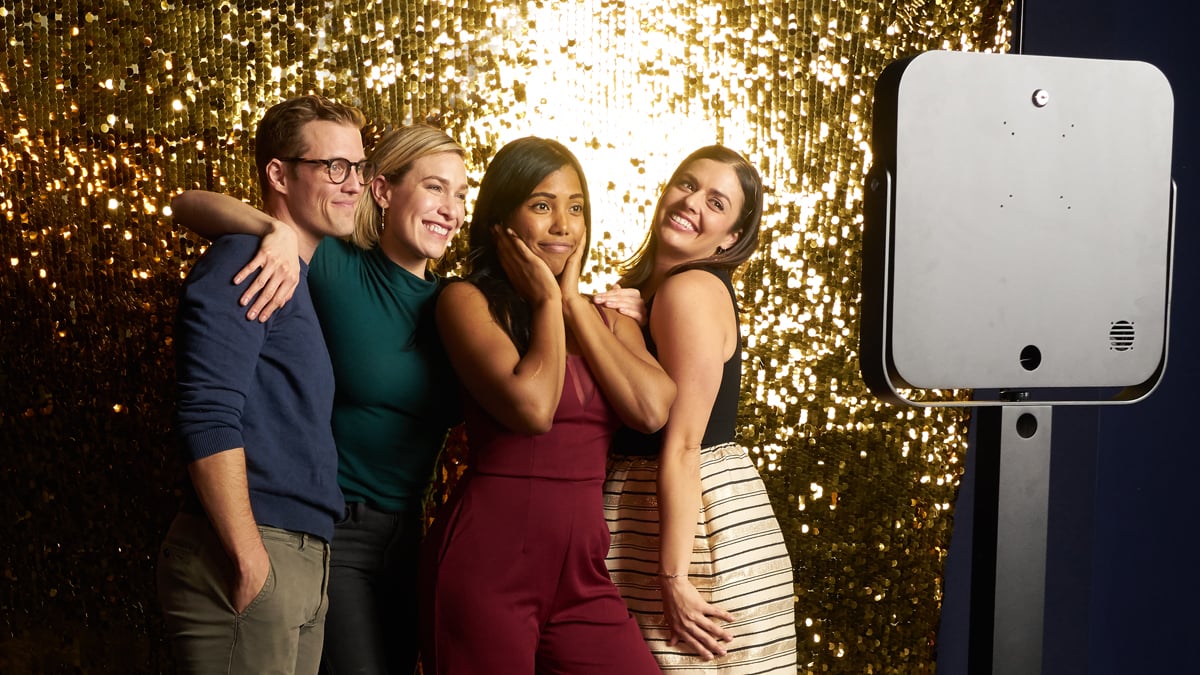
A photo booth is a self-service experience. The guest steps in, triggers the capture themselves, and the booth produces the result automatically. It is fast, it is fun, and it runs at high volume because the guest does the work.
A photo studio is a directed experience. There is professional lighting, a considered setup, and often an operator guiding the capture. The guest is photographed rather than taking their own photo, and the result is an editorial-quality image rather than an automated snapshot.
That single distinction, self-service versus directed, drives every other difference between the two. The output quality, the throughput, the guest experience, and the right use case all follow from whether the guest runs the experience themselves or is guided through it.
The output is where the difference becomes most visible. The two formats produce genuinely different results, and the gap matters depending on what the event needs the content for.
A photo booth produces fun, immediate, high-volume content. A Photo Studio produces polished, editorial-quality images with directed lighting and professional composition.
A photo booth image is a great keepsake and a strong social share: casual, energetic, and produced in seconds. A photo studio image is a different category: it looks like a professional shoot because it is one. When the event needs content that reflects a premium brand or images that hold up as editorial-grade, the studio is what delivers it.
Neither is better in the abstract. A photo booth image is exactly right for a high-energy event where volume and fun matter most. A studio image is exactly right when the output quality has to be elevated. The right choice depends entirely on what the content is for.

Choosing between them comes down to what the event prioritizes. Here is how LA Photo Party frames the decision.
The mistake to avoid is booking a photo booth for an event that needs studio quality, or paying for a studio when a booth would have served the event better. The formats are not interchangeable, and matching the format to the priority is the whole decision.
For premium and entertainment events, the studio is frequently the right call because it delivers the editorial-quality output VIP guests expect rather than a self-service snapshot.
A VIP guest at a premiere or a premium brand event is accustomed to being photographed well. A self-service booth that produces a casual snapshot does not match the standard they expect or the standard the brand wants associated with them. The directed lighting and professional capture of a studio do.
This is why entertainment events, brand premieres, and premium activations often specify the studio format. The output has to hold up as press-grade or editorial-grade, and the guest experience has to feel elevated rather than automated. The studio delivers both, which is what makes it the right format when the guest list or the brand positioning demands it.
Throughput is a practical difference that affects planning. A photo booth serves guests faster because it is self-service, so it handles high volume well. A photo studio serves guests more slowly because each capture is directed, which produces better output but at a lower rate.
This difference has to be planned around. A studio at a high-volume event without enough capacity creates a line because the directed capture takes longer than a self-service booth. An event that needs to serve a large crowd quickly may need multiple studio stations, or may be better served by a booth for general guests with a studio reserved for those who need the elevated output.
LA Photo Party plans the format and station count around the event’s guest count and throughput needs, so the chosen format serves the crowd without a bottleneck. The throughput difference is not a drawback of either format. It is a planning input that determines how the activation is built for the specific event.
Choosing between a booth and a studio is a decision best made deliberately, based on what the event needs. Here is what LA Photo Party recommends event producers settle first.
LA Photo Party has built both formats for events ranging from high-volume brand activations to premium entertainment premieres since 2007. Building both is what allows an honest recommendation of which one the event actually calls for, rather than selling whichever one the vendor happens to offer.
A photo booth is a self-service experience where the guest triggers the capture themselves, and the booth produces the result automatically, running fast and at high volume. A photo studio is a directed experience with professional lighting and often an operator, producing editorial-quality images. The core distinction is self-service versus directed, and it drives every other difference.
A photo studio produces higher-quality, editorial-grade images because of the directed lighting and professional capture. A photo booth produces fun, immediate, high-volume content. Neither is better in the abstract: a booth image is right for a high-energy event where volume matters, and a studio image is right when the output quality has to be elevated.
Choose a photo booth when volume and energy matter most, choose a photo studio when output quality matters most, and consider both when the event has distinct needs like a booth for general guests and a studio for VIPs. The formats are not interchangeable, so matching the format to the event’s priority is the whole decision.
VIP guests at premieres and premium brand events are accustomed to being photographed well, and a self-service booth that produces a casual snapshot does not match that standard. The directed lighting and professional capture of a studio deliver the editorial-quality output VIP guests expect and the press-grade standard premium brands want associated with them.
A photo booth serves guests faster because it is self-service, handling high volume well. A photo studio serves guests more slowly because each capture is directed, producing better output at a lower rate. LA Photo Party plans the format and station count around the event’s guest count so the chosen format serves the crowd without a bottleneck.
The words get used interchangeably, and they should not be. A photo booth and a photo studio are two different
Every brand manager has a design standard, and every design standard has someone whose job is to defend it. When
At a large live event, instant sharing sounds simple until you consider the scale. Thousands of guests, each wanting their
A.I. FaceSwap is easy to describe on paper: a guest’s face is placed into a new scene, character, or style.
Every brand manager who books an activation is really asking one question underneath all the others: will guests actually post
Go Shawty, It’s your Birthday
You will need a free Photo Party Upload account to access Virtual Booth. Once you’ve created your account, return to this page to complete the sign up process.
Already set up on Photo Party Upload? Watch this short video on how to get started.
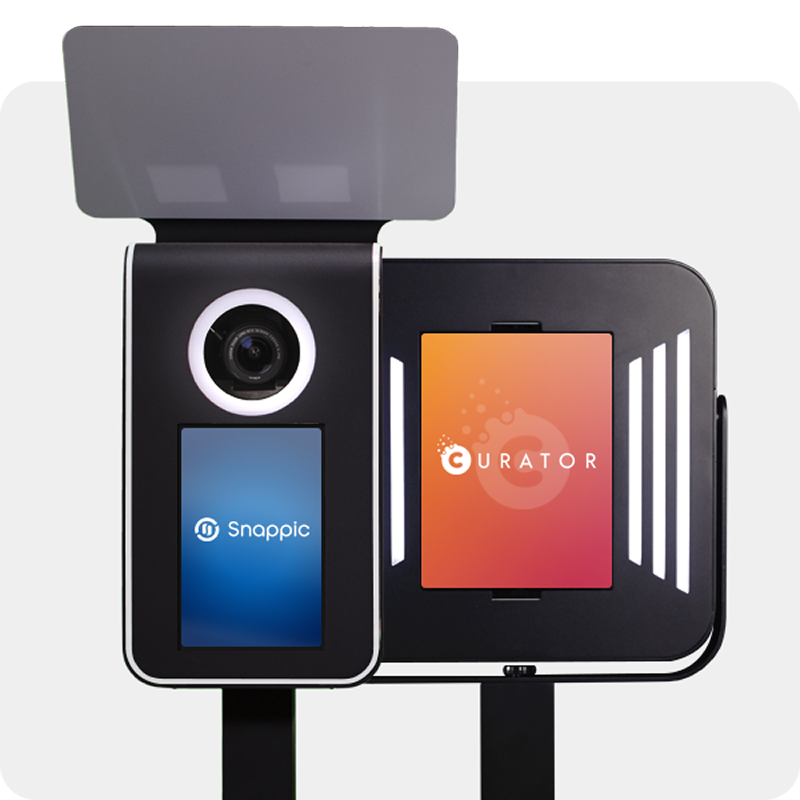
Venture Go and Explorer work with industry-leading iPad apps. We’ve partnered with two powerful platforms—each trusted by photo booth pros worldwide.
SELECT an app to learn more