Thousands of Guests Want Their Photo Now. Here’s How LA Photo Party Makes Instant Sharing Work Without a Single Bottleneck
At a large live event, instant sharing sounds simple until you consider the scale. Thousands of guests, each wanting their


At a large live event, instant sharing sounds simple until you consider the scale. Thousands of guests, each wanting their photo immediately, all delivered in the same few hours, over whatever connectivity the venue happens to have. A system that works for fifty guests can collapse under two thousand.
The difference between instant sharing that works and instant sharing that backs up is infrastructure built for the volume. LA Photo Party has delivered content at large-event scale for years, and the systems that make it work without a bottleneck are specific and deliberate. Here is how it actually works.
Instant delivery for a small event is straightforward. The challenge appears at scale when the volume of simultaneous deliveries exceeds what a system was built to handle. At that point, the delivery backs up, guests wait, and the instant experience becomes a delayed one.
The failure is rarely visible in advance. A delivery system tested with a handful of sends looks fine, then meets a real crowd of thousands and cannot keep pace. Guests who were promised their photo are now still waiting minutes later, and the activation’s entire premise, immediacy, has broken down in front of the crowd.
Building for scale means the system has to be sized for peak simultaneous delivery, not average throughput. The peak is what breaks systems, and the peak at a large event is far higher than the average across the whole event.
Instant sharing is not a single method. It is a set of options, each suited to different guests and situations. LA Photo Party builds multiple delivery paths so no guest is stuck without a way to get their content.
Offering multiple methods is not redundancy. It is what keeps the system flowing when any single method is under load, because guests distribute across the available paths rather than all funneling through one.

The sharing runs on Photo Party Upload, the platform built to move high volumes of content to guests without the delivery backing up under a large-event crowd.
The platform is load-tested for peak simultaneous delivery before the event, so the capacity is proven against the expected crowd rather than assumed. When the peak hits, the system has already been verified to handle it.
Multiple delivery paths run in parallel, so the load spreads instead of concentrating on one method. If text volume surges, QR download absorbs some of it. The parallel paths mean no single point of failure can stop the flow of content to guests, which is what a bottleneck actually is: one path is overwhelmed while the others sit unused.
Instant sharing depends on connectivity, and venue connectivity is not guaranteed. A system built for instant delivery still fails if the venue’s network cannot carry the volume, which is why connectivity is planned as part of the delivery infrastructure, not assumed.
LA Photo Party confirms the connectivity at the activation footprint before the event and plans for the volume of sharing that will be required. Where venue Wi-Fi is insufficient or unreliable, the plan includes the connectivity backup needed to keep delivery flowing. The QR download option also reduces the connectivity load, giving guests a path that works even when the network is under strain.
This planning is invisible to the guest, which is the point. The guest experiences instant delivery. The infrastructure that makes it instant, including the connectivity behind it, was solved before the doors opened.
The alternative is a failure that is highly visible. When connectivity is not planned and the network buckles under the crowd, the delivery stalls for everyone at once, and the guests standing there waiting all experience the breakdown together. A connectivity problem at a large event is not a quiet technical hiccup. It is a public failure of the exact thing the activation promised, which is why it is solved in advance rather than discovered on the day.
Instant sharing is what determines whether guests post or just save the content, because the window in which a guest will actually share closes fast after the moment passes.
A guest who receives their content instantly, while still at the event and still feeling the moment, posts it. A guest who has to wait has moved on by the time the content arrives, and the post never happens. The delivery speed is not a convenience detail. It is the mechanism that turns an activation into social reach.
For the brand, this means the sharing infrastructure is not a technical afterthought. It is the difference between an activation that produces thousands of shares and one that produces a database of content nobody ever posted. The infrastructure determines the outcome the brand actually cares about.
An event producer planning a large activation should treat the sharing infrastructure as a core requirement, not an assumed feature. Here is what LA Photo Party recommends confirming.
LA Photo Party has delivered instant sharing at large-event scale for brands including Google, Salesforce, and Adobe since 2007. That track record at scale is what separates infrastructure that holds under a crowd from a system that works in a demo and fails at the event.
Content is delivered to each guest’s phone in seconds through multiple parallel methods: Text Message, QR download, email, and print. LA Photo Party runs the sharing on a platform load-tested for peak simultaneous delivery, with the delivery paths running in parallel so load spreads across methods rather than bottlenecking on one. Connectivity is confirmed and backed up before the event.
Because the delivery system was sized for average throughput rather than peak simultaneous volume. A system tested with a handful of sends looks fine, then meets a crowd of thousands and cannot keep pace. The peak is what breaks systems, and at a large event, the peak is far higher than the average across the whole event.
Text Message as the primary method, QR download as a fast connection-light option, email as a reliable fallback, and print for a physical keepsake. Offering multiple methods keeps the system flowing when any single path is under load, because guests distribute across the available options rather than funneling through one.
Instant sharing depends on connectivity, which is not guaranteed at a venue. LA Photo Party confirms connectivity at the activation footprint before the event and plans backup for the required volume. The QR download option also reduces connectivity load, giving guests a path that works even when the network is under strain.
Instant delivery determines whether guests post or just save the content, because the window to share closes fast after the moment passes. A guest who receives content instantly while still at the event posts it; one who waits has moved on. The delivery speed is the mechanism that turns an activation into social reach.
At a large live event, instant sharing sounds simple until you consider the scale. Thousands of guests, each wanting their

A.I. FaceSwap is easy to describe on paper: a guest’s face is placed into a new scene, character, or style.
Every brand manager who books an activation is really asking one question underneath all the others: will guests actually post
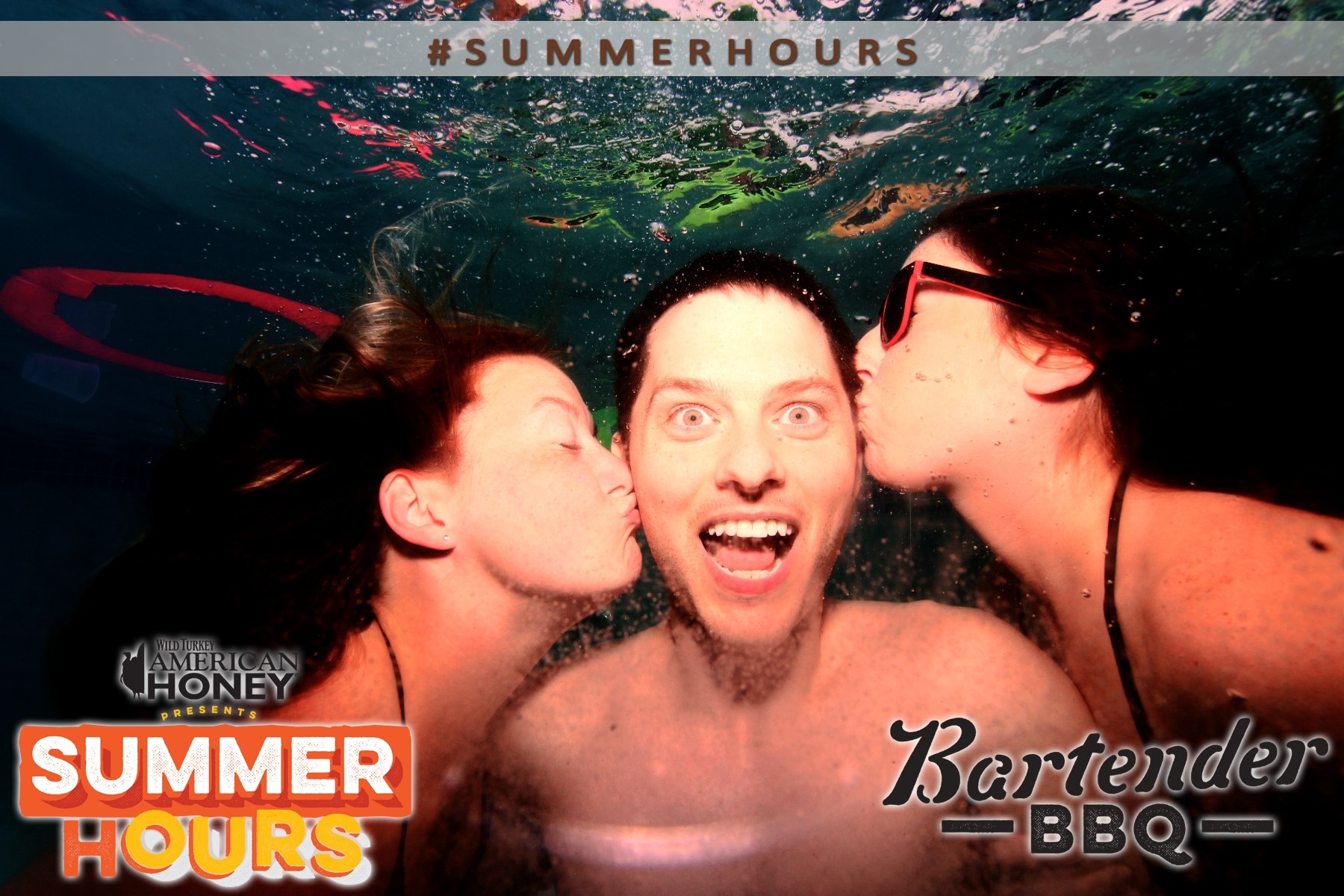
Some activations have to work to get attention. This one does not. The moment guests see an underwater photo booth

A product launch has a compressed timeline that most events do not. The launch happens on a specific day, the
Go Shawty, It’s your Birthday
You will need a free Photo Party Upload account to access Virtual Booth. Once you’ve created your account, return to this page to complete the sign up process.
Already set up on Photo Party Upload? Watch this short video on how to get started.
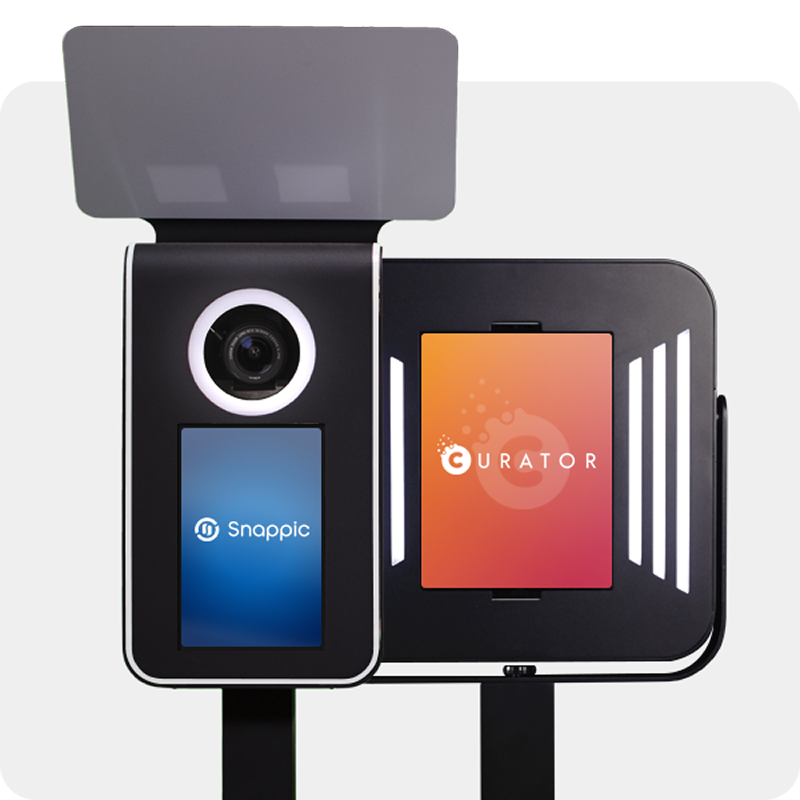
Venture Go and Explorer work with industry-leading iPad apps. We’ve partnered with two powerful platforms—each trusted by photo booth pros worldwide.
SELECT an app to learn more