The Rev 360 Stopped a Conference Floor. Here’s What Cinematic 360 Video Actually Does to a Crowd
The rotating arm starts moving. The crowd around the activation stops. Not because someone told them to stop. Because the


Eighty-three percent of marketers say experiential activations drive more brand awareness than traditional digital ads. Yet most brand events still hand guests a glass of wine, point them toward a step-and-repeat, and call it an experience. That gap between what marketers know works and what actually shows up on the event floor is exactly why one particular activation has started dominating every major conference, product launch, and corporate gathering worth attending.
The hottest thing at every major brand event right now? Yeah, it’s an A.I. Photo Booth. And not in a gimmicky, novelty-for-the-sake-of-novelty way. These setups deliver real engagement numbers, real data, and real social reach that traditional activations simply can’t match.
This guide covers what’s actually changed with photo booth technology, why brands are investing serious budget here, how the live experience works, which types of events are seeing the biggest results, and what to look for when sourcing one for an upcoming activation.
Traditional photo booths peaked somewhere around 2014. Strip prints, a fun prop basket, maybe a branded overlay. They worked, but the output was limited. Guests took a photo, grabbed a print, and moved on. The brand got a logo on a piece of paper that ended up in a coat pocket.
A.I. Photo Booths changed that entire equation.
The core shift is in output. Where older booths produced a static snapshot, A.I. booths generate fully transformed images – styled portraits, fantasy environments, brand-consistent visual worlds that guests actually want to share. The technology uses generative A.I. models trained to produce high-quality, aesthetically compelling images in seconds.
The data shows it: the average A.I. booth interaction produces 3 to 5 shareable images per guest, compared to 1 to 2 prints from a traditional setup. That’s not a minor upgrade. That’s a fundamental change in what the activation delivers.
Speed has kept pace with quality. Modern setups process images in under 30 seconds – fast enough to keep lines moving at high-volume events without frustrating guests.
But that’s just the start.
Integration capabilities have expanded dramatically. A.I. booths now connect directly to Text Message and email delivery systems, meaning every guest gets their image instantly and the brand captures a verified contact in the process. That’s a lead generation tool disguised as a genuinely fun activity.
The engagement case is compelling on its own. But what’s really driving serious marketing budget toward A.I. Photo Booths is the combination of engagement and data in a single activation.
Traditional experiential marketing has always had a measurement problem. A great booth experience is hard to quantify. Impressions are estimated. Sentiment is anecdotal. A.I. Photo Booths solve that problem directly.
Every interaction generates a data point. Every image delivered via Text Message or email represents a verified contact. Every social share extends the brand’s reach beyond the event floor. Brands tracking these numbers see cost-per-contact figures that compete favorably with paid digital acquisition.
Event marketing professionals consistently find that A.I. Photo Booths outperform other activations on post-event survey metrics. Guests remember the experience, remember the brand associated with it, and often share the images days after the event itself.
Consider what a single activation delivers:
This isn’t just a fun add-on. For brands thinking strategically about experiential ROI, A.I. Photo Booths have become a core activation – not an afterthought.
The technology only matters if guests engage with it. Here’s what the actual experience looks like.
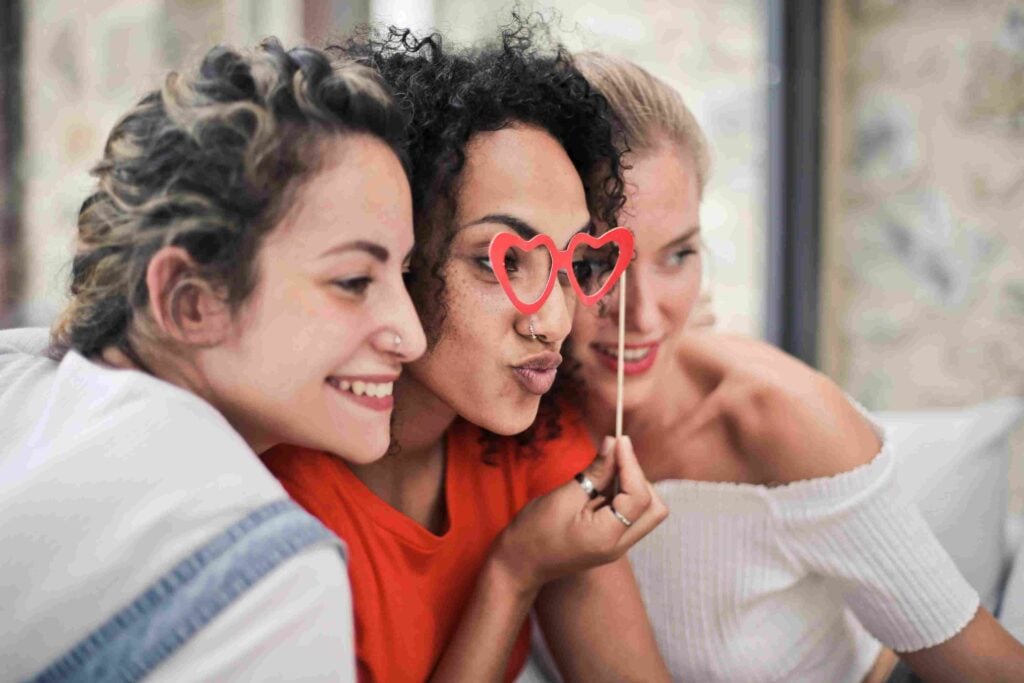
The setup varies by vendor, but the core experience follows a consistent pattern. Guests approach the booth and interact with a touchscreen or tablet interface. They choose a theme or style – a branded environment, a specific aesthetic, or a fantasy scenario tied to the event concept. Then they take a photo, solo or in a group.
This is where it gets interesting: the A.I. doesn’t just add a filter. It rebuilds the image. Guests are placed into entirely new visual contexts, styled to match the chosen theme, with results that look genuinely polished rather than obviously processed.
The image delivers to their phone within 30 seconds. They can share directly from the delivery screen or save and share later. Most guests do both.
The brand’s presence runs throughout the experience. Themes are built around brand colors, campaign imagery, or product visuals. The delivery screen carries brand messaging. Even the image itself often incorporates subtle branded elements. It’s immersive in a way that feels organic rather than forced.
What professionals find most effective is pairing the booth with a simple social prompt – a hashtag, a challenge, or a themed concept that gives guests a reason to post beyond just sharing a great photo.
The range of events where A.I. Photo Booths are delivering strong results is broader than many marketing teams initially expect.
Product launches use them to place guests inside the product’s world – literally. A fragrance brand might theme the booth around the campaign’s visual identity. A tech company might create a futuristic environment tied to the product narrative.
Corporate conferences use them for networking activations, giving attendees a shared experience and a branded keepsake that sparks conversation.
Retail activations use them to drive foot traffic and social sharing, with in-store setups that reward shoppers with a personalized image tied to a seasonal campaign.
Sporting events and brand sponsorships use them to create content fans actually want to share – extending the sponsor’s reach far beyond stadium signage.
The consistent thread across all of these applications is that the activation creates content guests are proud of. That’s the mechanism. When the output is genuinely good, guests become willing distributors of branded content. That’s a dynamic that’s very difficult to manufacture through any other means.
Sourcing an A.I. Photo Booth for a brand event involves a few key considerations that separate a successful activation from a frustrating one.
Output quality varies significantly between vendors. The A.I. models powering these booths aren’t all equal, and the difference shows in the final images. Requesting sample outputs before committing to a vendor is a non-negotiable step.
Customization depth matters just as much. Some vendors offer surface-level branding – a logo on the delivery screen. Others build fully custom theme environments from the ground up. For brand events where visual consistency is critical, the latter is worth the investment.
Operational logistics are often underestimated. Consider:
– Minimum space requirements (most setups need 10 by 10 feet minimum) – Power and connectivity requirements for the venue – Staffing needs during the event – Data handling and privacy compliance for contact collection – Turnaround time for custom theme development before the event
Reliability is the factor that matters most on event day. Technical issues at a brand activation reflect on the brand, not the vendor. Working with experienced operators who have a track record at high-profile events is worth prioritizing over cost savings.
The brands getting the most out of A.I. Photo Booths treat them as a strategic tool – not a decoration. That’s the difference between an activation that trends and one that’s forgotten by Monday.
Most setups need a minimum of 10 by 10 feet to operate comfortably. That footprint accommodates the booth itself, the guest interaction area, and enough room to keep the line moving without creating congestion on the event floor. Larger or more elaborate custom builds may require additional space, so confirming exact dimensions with the vendor during the planning phase makes a real difference on event day.
Modern A.I. Photo Booth setups process and deliver images in under 30 seconds. Guests receive their finished photo directly to their phone via Text Message or email from the delivery screen. That speed keeps the guest flow moving at high-volume events while still giving everyone a moment to react to the result – which, for most guests, is genuinely worth reacting to.
Yes – and the depth of customization is one of the most important things to evaluate when selecting a vendor. Surface-level branding covers things like a logo on the delivery screen. Full custom theme development builds entire visual environments from the ground up using brand colors, campaign imagery, and product visuals. For events where visual consistency is critical, full custom builds deliver a noticeably stronger result.
Every guest who requests an image via Text Message or email provides a verified contact in the process. That means every interaction at the booth generates a real data point – not an estimated impression. Brands tracking these numbers consistently find that cost-per-contact figures from A.I. Photo Booth activations compete favorably with paid digital acquisition channels.
Product launches, corporate conferences, retail activations, and brand sponsorships at sporting events all see strong results. The consistent factor across event types is that the activation creates content guests are genuinely proud of – which turns them into willing distributors of branded content long after the event ends. That dynamic is hard to manufacture through any other means, which is exactly why brands keep coming back to this format.
The rotating arm starts moving. The crowd around the activation stops. Not because someone told them to stop. Because the
Two hundred press and general guests are lined up for the activation. Then talent arrives. The activation cannot make talent
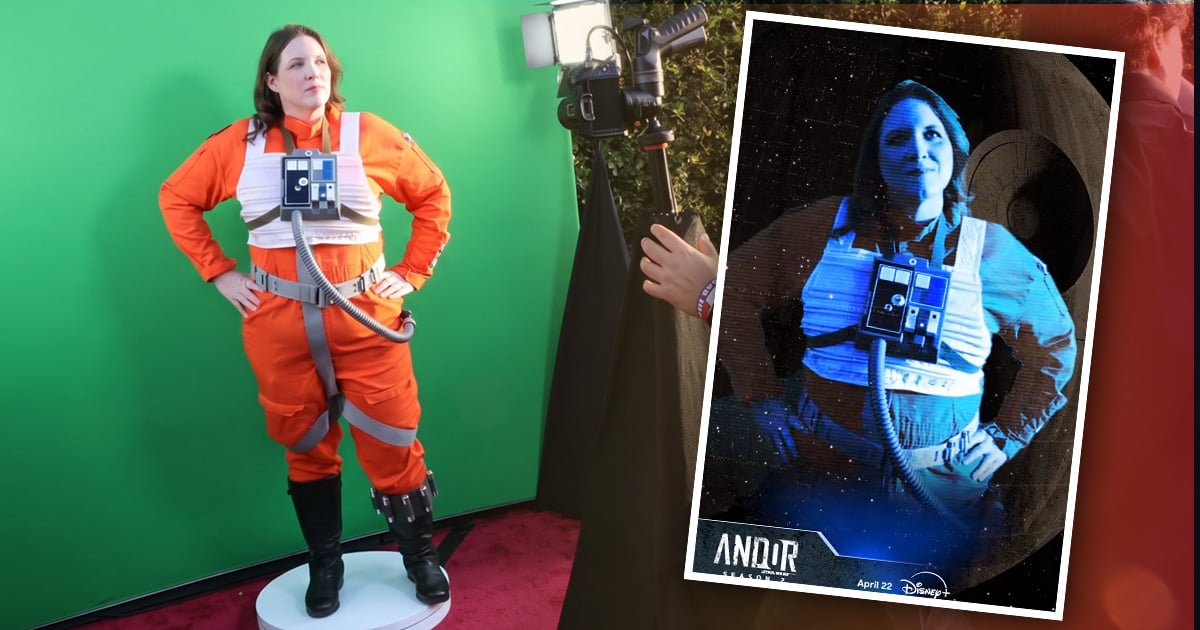
A conference crowd moves in patterns. Sessions start, sessions end, hallways fill and empty on a schedule. A festival crowd

Ten thousand badges scanned. Three days. One activation that has to work for every single one of them, from the
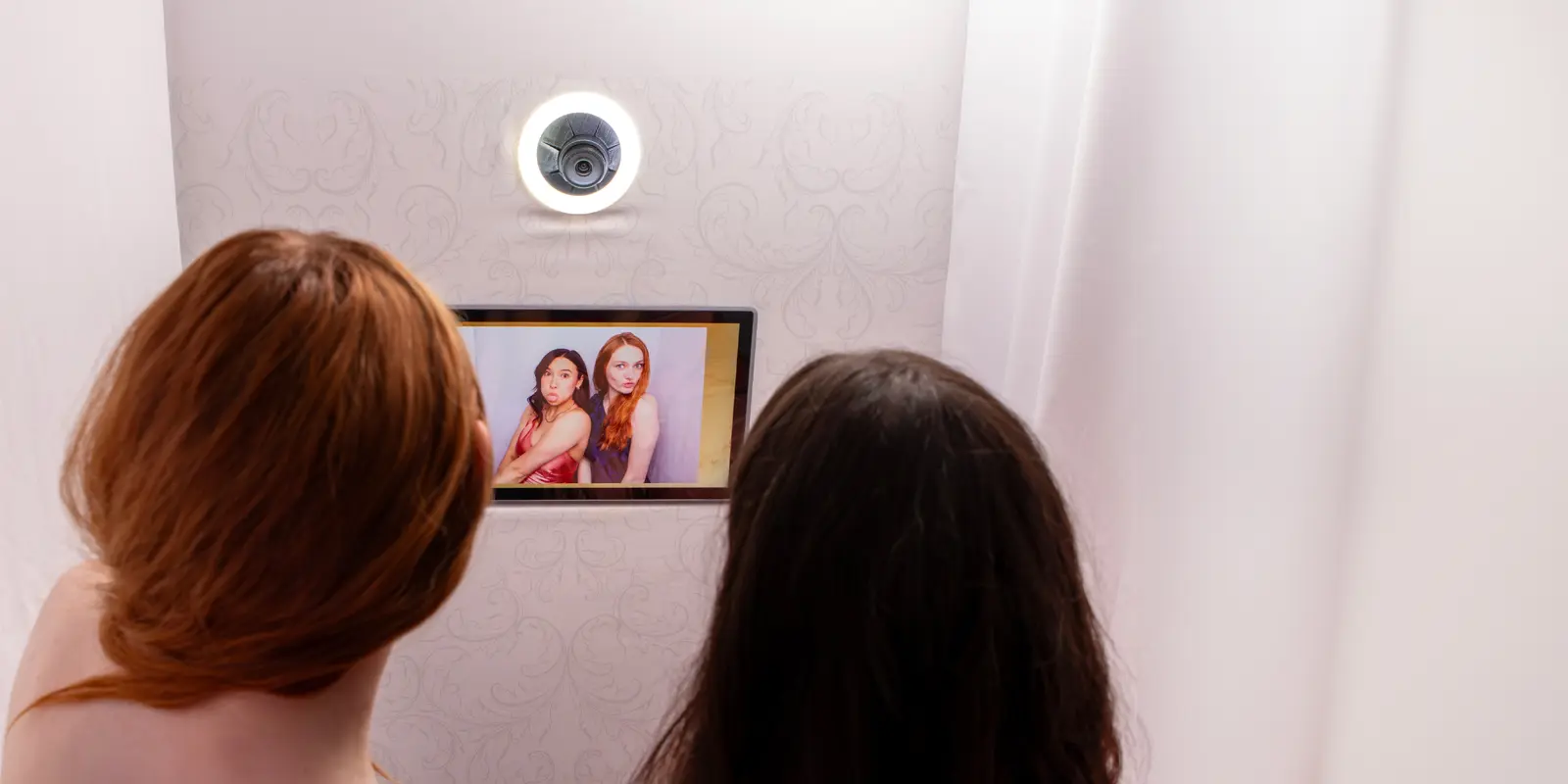
The event has two rooms. One is physical. One is a grid of faces on a monitor. The activation needs
Go Shawty, It’s your Birthday
You will need a free Photo Party Upload account to access Virtual Booth. Once you’ve created your account, return to this page to complete the sign up process.
Already set up on Photo Party Upload? Watch this short video on how to get started.
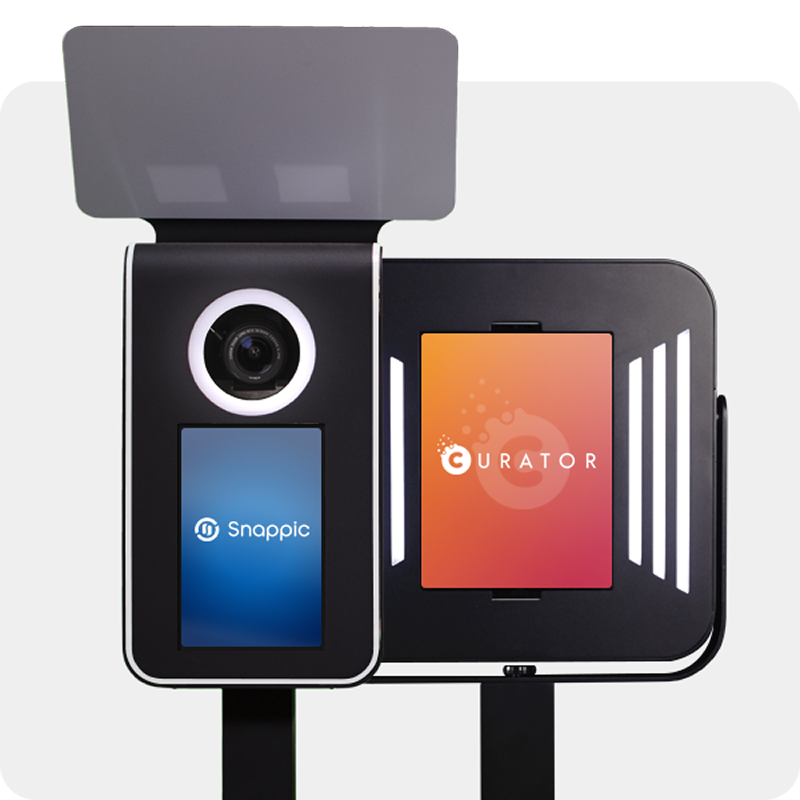
Venture Go and Explorer work with industry-leading iPad apps. We’ve partnered with two powerful platforms—each trusted by photo booth pros worldwide.
SELECT an app to learn more


 Optimized by Seraphinite Accelerator