360 Photo Booth: Why It’s Taking Over Every Event
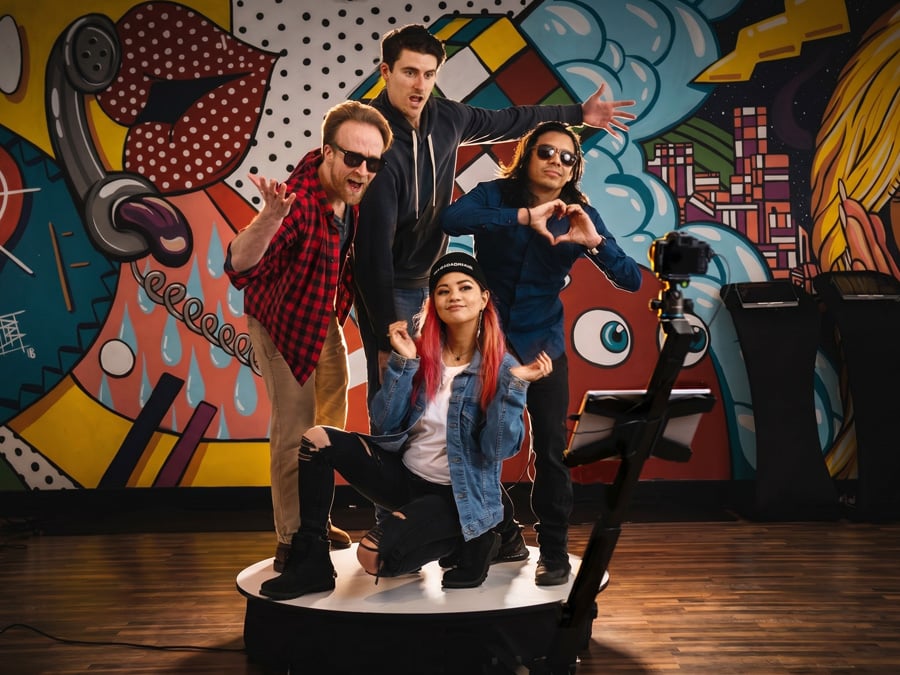
You’ve probably seen one before.A few guests step onto a platform. A camera begins moving around them. Someone throws confetti,

Deciding whether to invest in permanent equipment or rely on external vendors is a pivotal crossroads for any business owner in the event industry. While the allure of owning your tools is strong, the logistical demands of this industry require a nuanced approach to the classic buy-versus-rent debate. If you’ve been searching for a professional photo booth for sale, it’s important to weigh the financial, operational, and strategic implications before pulling the trigger. Whether you’re a venue manager in Glendale, CA looking to increase revenue or a marketing agency needing consistent brand activations, understanding these trade-offs is essential.
Purchasing equipment is often the preferred route for businesses that prioritize total creative control and long-term brand consistency. If your company hosts more than two events per month, the cumulative cost of renting will quickly exceed the price of a permanent unit. Ownership allows you to customize the software interface, wrap the physical hardware in custom graphics, and ensure the user experience perfectly mirrors your corporate identity.
When you find a high-quality photo booth for sale, you aren’t just buying a camera and a box; you’re acquiring a dedicated revenue stream that you control entirely. This is especially true for permanent installations in retail spaces or recurring monthly activations where setup must be instantaneous. You won’t have to worry about vendor availability or scheduling conflicts during peak seasons.
However, buying isn’t always the right move. It makes little sense for a business that only requires a booth for a single annual gala or a one-off product launch. In these cases, the burden of ownership outweighs the benefits of possession. You also have to consider the rapid pace of technological change. If you buy today, you’re responsible for upgrading the hardware in three to five years to stay competitive.
The financial profile of buying is front-heavy. It requires a significant initial capital layout for the hardware, software licenses, and peripheral accessories. When you browse a photo booth for sale, the sticker price is only the beginning of the investment.
Renting presents a completely different financial landscape characterized by predictable per-event fees. When you rent from a professional service like LA Photo Party, you’re paying for the convenience of a turnkey solution. There are no storage fees, no insurance premiums for the equipment, and no surprise repair bills if a guest accidentally knocks over a light stand. This model is ideal for companies that prefer to keep their balance sheets lean and avoid the depreciation of physical assets.

Owning a photo booth introduces a layer of operational complexity that many first-time buyers underestimate. Beyond the initial excitement, you need a plan for where the equipment will live. If you don’t have a dedicated warehouse or a staff member comfortable with technical setups, the burden can quickly become overwhelming.
Moving a professional booth requires a van or a large SUV, along with the physical strength to load and unload heavy flight cases. In a busy area like Glendale, CA, parking and loading logistics for large equipment can add hours to your event prep time. If your team is already stretched thin, adding the role of “photo booth technician” might not be the most efficient use of their time.
Unlike a rental where the vendor handles all troubleshooting, an owner must be the primary technician. This involves updating drivers, calibrating cameras, and performing routine cleaning. If a component fails an hour before a major event, the responsibility to find a replacement falls squarely on your shoulders. Companies like LA Photo Party provide robust support, but the owner still manages the day-to-day health of the machine.
In the modern event market, clients expect more than just a simple photo; they want an immersive digital experience that’s social media ready. When you own your equipment, staying at the cutting edge requires constant attention to software trends. You must ensure your booth can handle animated GIFs, green screen removal, and instant email delivery without a hitch.
Renting shifts the burden of reliability to the service provider. Professional rental companies specialize in high-stakes environments and bring a level of expertise that’s hard to replicate in-house. They arrive with backup equipment, redundant internet hotspots, and experienced attendants who know how to manage a crowd. For high-profile corporate clients, the peace of mind that comes with a professional crew is often worth the rental premium.
The decision to buy ultimately hinges on a break-even analysis. To find this point, sum the purchase price, annual software fees, consumables, and labor hours for setup. Divide this total by the average cost of a local professional rental. For most mid-range systems, the break-even point typically falls between ten and fifteen events.
Beyond simple rental replacement, ownership opens up new revenue streams. You can upsell the booth as an add-on to existing service packages or rent it out to other businesses when you aren’t using it. This versatility turns the equipment into a profit center. Just stay realistic about the lifespan of the technology—aim for a fast ROI to ensure you’re always operating with current, high-value gear.
Prices vary depending on the features, but a professional-grade unit usually ranges from $5,000 to $15,000. This includes the housing, camera, computer, and printer.
Yes. Standard general liability insurance might not cover the specific electronics or “in-transit” damage. It’s wise to get an inland marine policy to protect the equipment wherever it goes.
While the shell can last a decade, the internal computer and camera technology usually need an upgrade every 3 to 5 years to keep up with software demands and image quality standards.
Most modern software is user-friendly, but it does require a learning curve. You’ll need to spend time mastering templates, green screen settings, and data collection features before your first event.
You can, but it’s risky. Older models may not support the latest social sharing features or might have worn-out printers. If you go this route, ensure you’re buying from a reputable manufacturer that still offers support for that model.
Whether you’ve decided to browse a photo booth for sale to build your own fleet or you’d rather trust the experts to handle your next activation, LA Photo Party is here to help. Based in the Glendale, CA area, we provide world-class hardware, innovative software, and full-service rental support to ensure your brand shines. Contact us today to discuss which path is right for your business goals.
You’ve probably seen one before.A few guests step onto a platform. A camera begins moving around them. Someone throws confetti,

Planning an event comes with a long list of decisions. Venue, food, music, décor, entertainment. Somewhere along the way, someone

Think about the photos people usually take at an event. Someone pulls out a phone, tries to squeeze everyone into

Photo booths have been part of weddings, corporate events, parties, and brand activations for years. Guests step in front of

Renting a photo booth makes sense when you only need one occasionally. You book the experience, the vendor handles the
Go Shawty, It’s your Birthday
You will need a free Photo Party Upload account to access Virtual Booth. Once you’ve created your account, return to this page to complete the sign up process.
Already set up on Photo Party Upload? Watch this short video on how to get started.
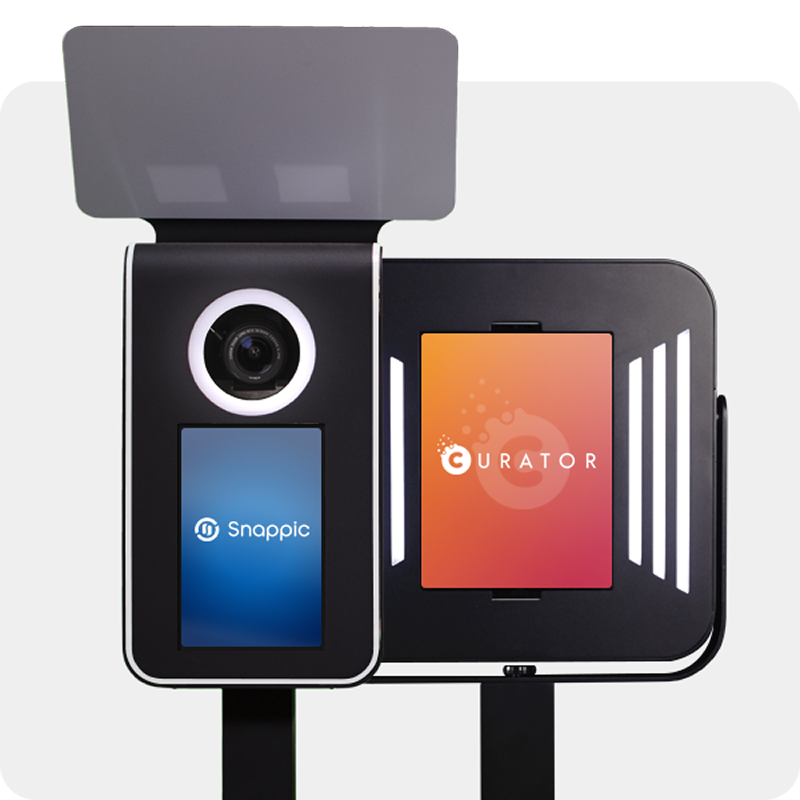
Venture Go and Explorer work with industry-leading iPad apps. We’ve partnered with two powerful platforms—each trusted by photo booth pros worldwide.
SELECT an app to learn more