360 Photo Booth: Why It’s Taking Over Every Event
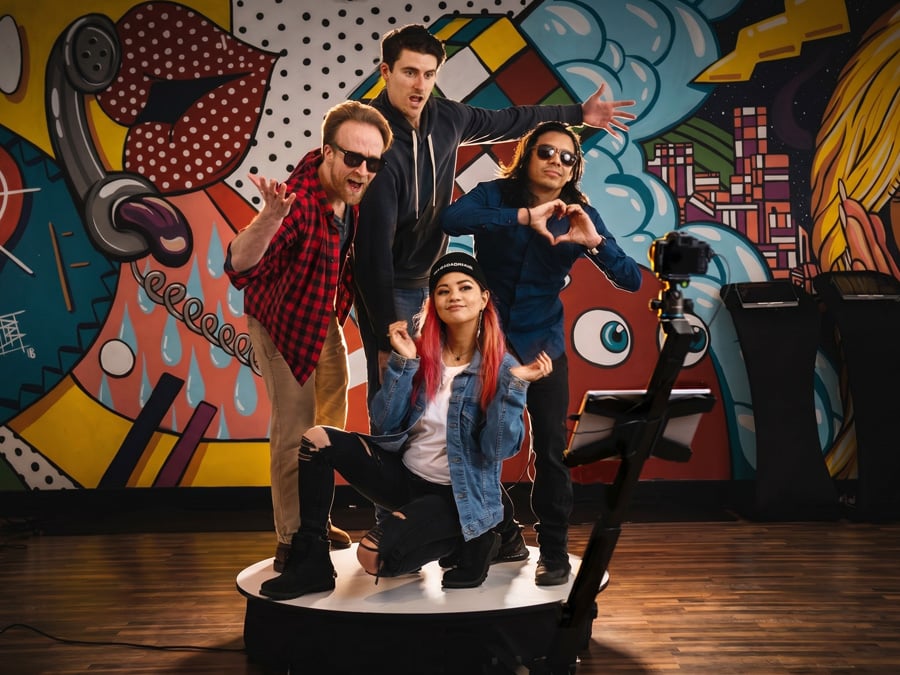
You’ve probably seen one before.A few guests step onto a platform. A camera begins moving around them. Someone throws confetti,

For event planners and brand managers, a photo studio rental is not just a room with white walls. It is the controlled environment where your brand’s visual identity is forged and your high-stakes event content is captured. Choosing the wrong space can lead to blown budgets and missed deadlines. In fact, industry surveys show that nearly 64% of production delays are caused by inadequate venue prep or equipment mismatches.
We have spent years navigating the nuances of production logistics, and I can tell you that the difference between a successful shoot and a total disaster often comes down to the pre-rental checklist. This guide is designed to help you navigate the complexities of booking professional spaces. You will learn how to audit a studio’s physical capabilities, evaluate the hidden costs that often surprise coordinators, and prepare your team for a high-efficiency session. By the end, you will have the framework to book with total confidence.
Before you start searching for a photo studio rental, you must define the physical boundaries of your project. Are you shooting a sleek corporate headshot series, or are you building a massive brand activation set for an influencer campaign? The footprint of your production dictates everything from ceiling height to electrical load requirements. Planners often underestimate the space needed for “peripheral” activities like hair and makeup, catering, and client lounging.
The data shows that a crew of ten people requires significantly more square footage than just the shooting area to maintain a professional atmosphere. If you are hosting a luxury brand activation, you need a space that reflects that premium feel from the moment the client walks in. Look for studios that offer high ceilings, at least 12 to 14 feet, to allow for large lighting modifiers and overhead rigs.
Ensure the square footage accounts for equipment staging and “video village” areas.
Verify the ceiling height can accommodate large softboxes or hair lights.
Check if the studio is on the ground floor or has a dedicated freight elevator.
Confirm the electrical capacity can handle high-draw lighting without tripping breakers.
Look at it this way: a cramped studio is a stressed studio. When your influencers or corporate executives feel crowded, that tension shows up in the final images. This leads to an important question regarding what actually comes inside the four walls.
The next piece of the puzzle is the amenity package. Not all studios are created equal, and a low base rate often hides the fact that you have to bring your own everything. For a wedding coordinator or an experiential marketing agency, having access to a full “grip” package is a massive time-saver. This includes C-stands, sandbags, and various clamps that are a pain to transport.
Beyond the gear, the physical layout of the amenities matters. Does the studio have a dedicated makeup station with daylight-balanced bulbs? Is there a private changing area for models? These small details determine the rhythm of your day. For example, if your talent has to change in a public restroom, your production loses momentum and professional polish. I have found that studios with a “cyclorama” or “cyc” wall are the gold standard for creating that infinite, clean background look popular in modern branding.
Look for a pre-installed cyclorama wall to save on backdrop setup time.
Prioritize spaces with dedicated hair and makeup stations featuring professional mirrors.
Check for high-speed Wi-Fi, especially if you are tethering or live-streaming content.
Confirm the availability of a kitchenette or coffee station for long production days.
And here’s the best part: many high-end studios now offer specialized tech integrations. If you are working with a brand that needs immediate social media output, the infrastructure of the studio should support that workflow. Armed with that knowledge, we can talk about the financial side of the equation.

Taking this a step further, let’s break down the math. Professional studio pricing is rarely as simple as a flat hourly fee. Most reputable spaces operate on a half-day (4-5 hours) or full-day (8-10 hours) basis. But the line items can add up quickly. You might see “expendable” fees for seamless paper backdrops that get dirty during the shoot, or cleaning fees if you are doing a “messy” shoot involving confetti or liquids.
Insurance is another non-negotiable factor. Most professional studios require a Certificate of Insurance (COI) that names them as an additional insured party. This protects both you and the venue owner from liability if a light stand tips over or someone trips on a cable. Translation: if a studio doesn’t ask for a COI, they might not be the most professional operation.
Ask for a detailed list of what is included in the “base” rental rate.
Clarify the “overtime” hourly rate, which is often 1.5 times the standard rate.
Inquire about “prep and strike” days if you have a complex set build.
Check the cancellation policy, as many require 48 to 72 hours’ notice for a refund.
Bottom line? Transparency in the contract is the hallmark of a great studio. If the pricing feels vague, keep looking. Once you have the logistics and the budget locked in, it is time to focus on the execution.
The final piece of the puzzle is the “load-in” strategy. Even the best photo studio rental is only as good as your preparation. Create a minute-by-minute call sheet for your team. This ensures that when the clock starts ticking on your rental, everyone knows exactly what to do. In my experience, the first hour is often wasted on “figuring things out” if there isn’t a clear plan.
Communication with the studio manager is key. Send them your equipment list and set design ahead of time. They might have insights on the best way to rig your lights or where the “dead spots” in the Wi-Fi are. Case in point: a quick 10-minute walkthrough the day before can save you two hours of troubleshooting on the day of the shoot.
Distribute a clear call sheet to all vendors and talent 48 hours in advance.
Pack a “production kit” with gaffer tape, multi-tools, and extra batteries.
Designate one person to be the point of contact for the studio manager.
Schedule a “strike” window at the end of the day to avoid overtime charges.
Next up is the transition from a static shoot to a dynamic event experience. While a traditional studio setup is perfect for content creation, your event might need something more interactive and tech-forward.
Choosing the right environment is the foundation of any successful visual project. When you control the lighting, the temperature, and the backdrop, you remove the variables that cause stress and inconsistency. This allows your creative team to focus entirely on the art and the brand message.
We’re here to help you elevate your brand’s visual impact. At LA Photo Party, we don’t just provide studio space — we bring the innovation. Our AI-powered photo booths, award-winning event software, and immersive experiential activations turn every photo into a memorable, shareable experience. Whether you’re planning a corporate gala, brand launch, or high-profile event, our tech-forward solutions fit seamlessly into any professional setting. Let us help you amplify engagement, boost social reach, and make your next event truly unforgettable.
You’ve probably seen one before.A few guests step onto a platform. A camera begins moving around them. Someone throws confetti,
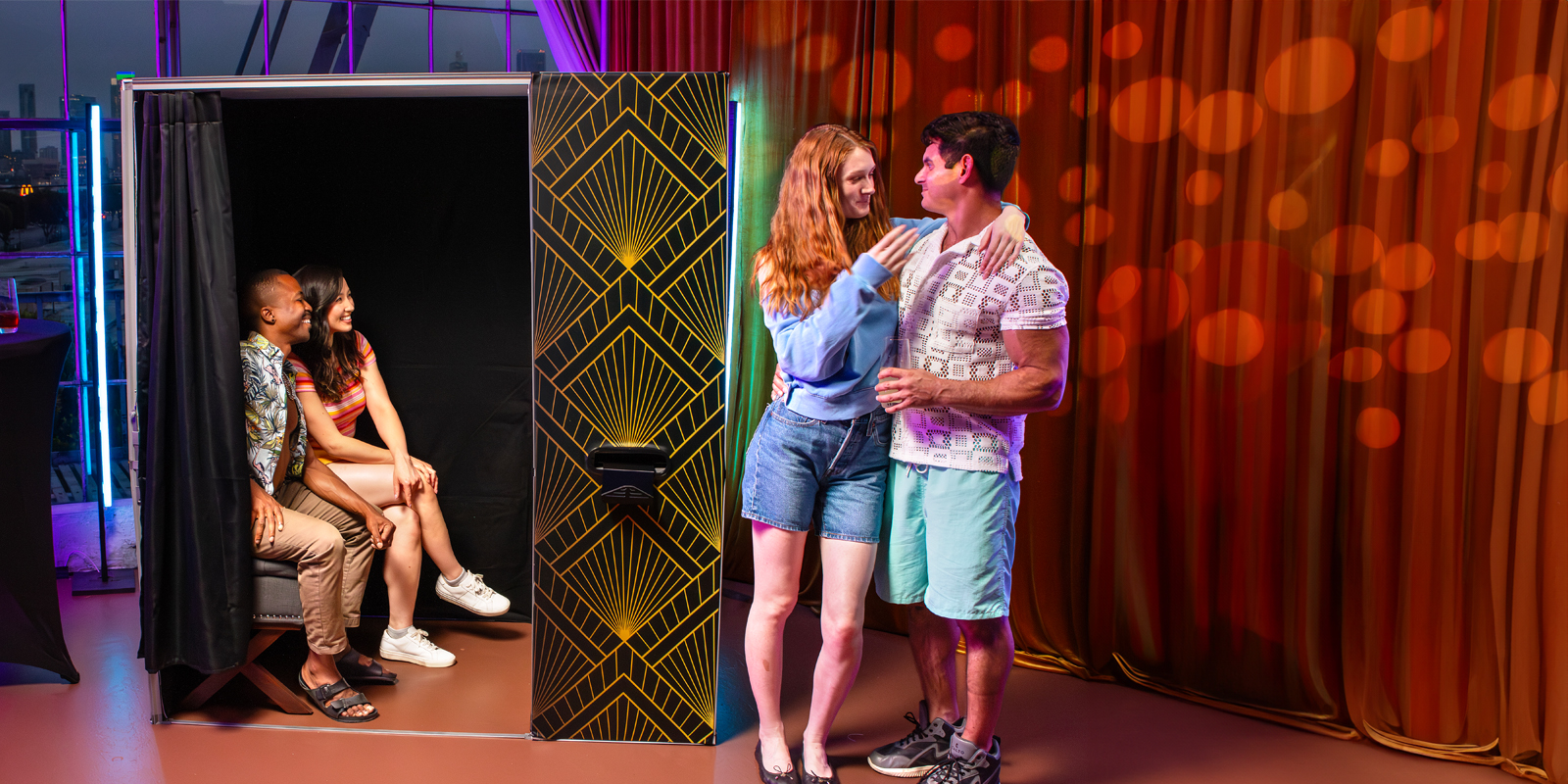
Planning an event comes with a long list of decisions. Venue, food, music, décor, entertainment. Somewhere along the way, someone

Think about the photos people usually take at an event. Someone pulls out a phone, tries to squeeze everyone into

Photo booths have been part of weddings, corporate events, parties, and brand activations for years. Guests step in front of
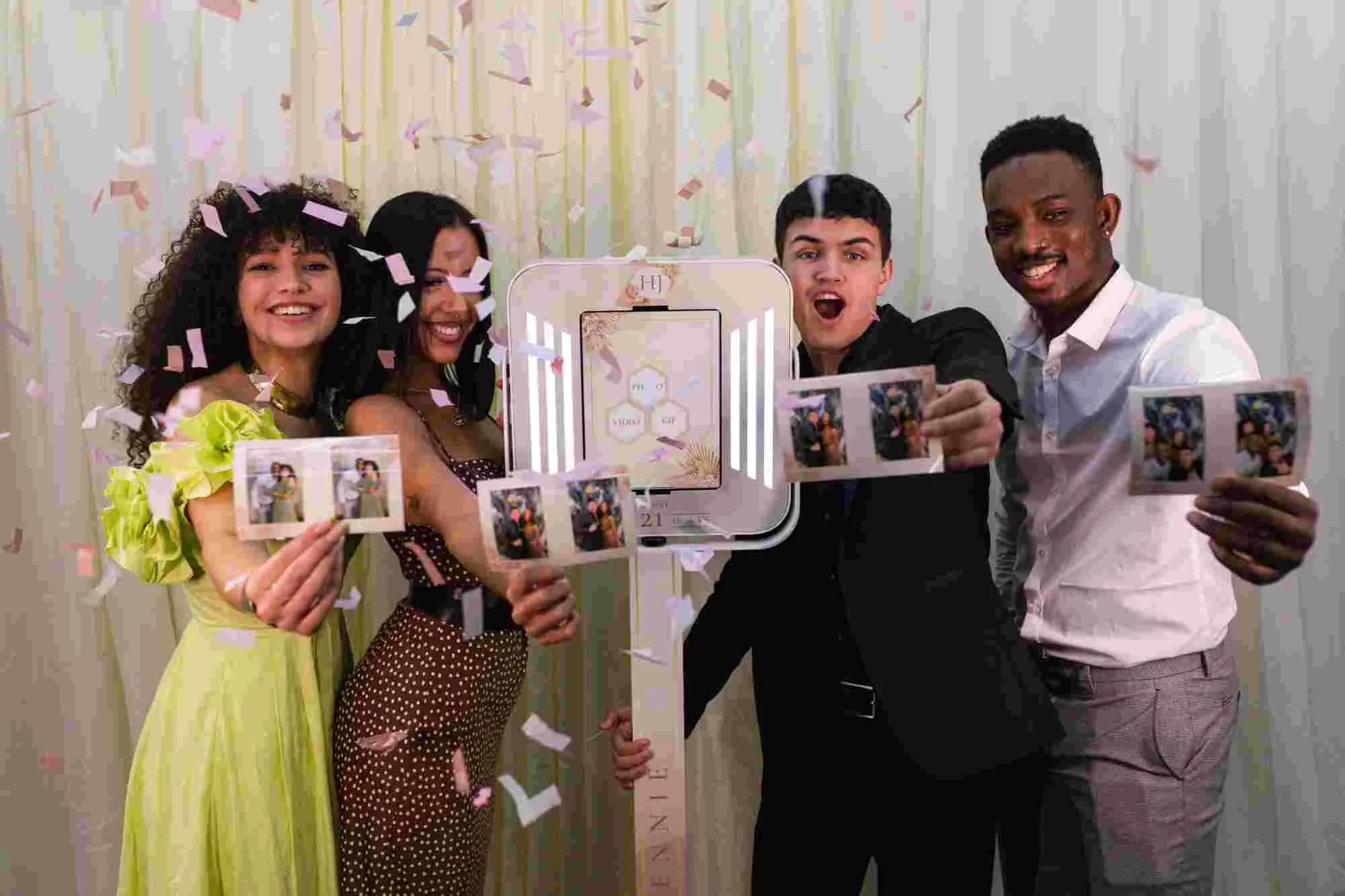
Renting a photo booth makes sense when you only need one occasionally. You book the experience, the vendor handles the
Go Shawty, It’s your Birthday
You will need a free Photo Party Upload account to access Virtual Booth. Once you’ve created your account, return to this page to complete the sign up process.
Already set up on Photo Party Upload? Watch this short video on how to get started.
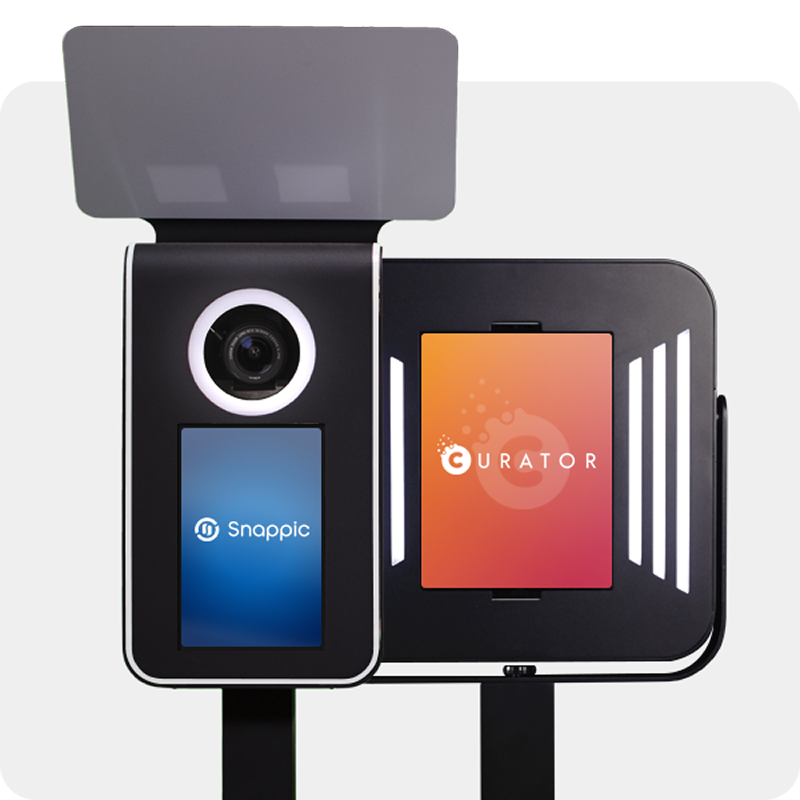
Venture Go and Explorer work with industry-leading iPad apps. We’ve partnered with two powerful platforms—each trusted by photo booth pros worldwide.
SELECT an app to learn more